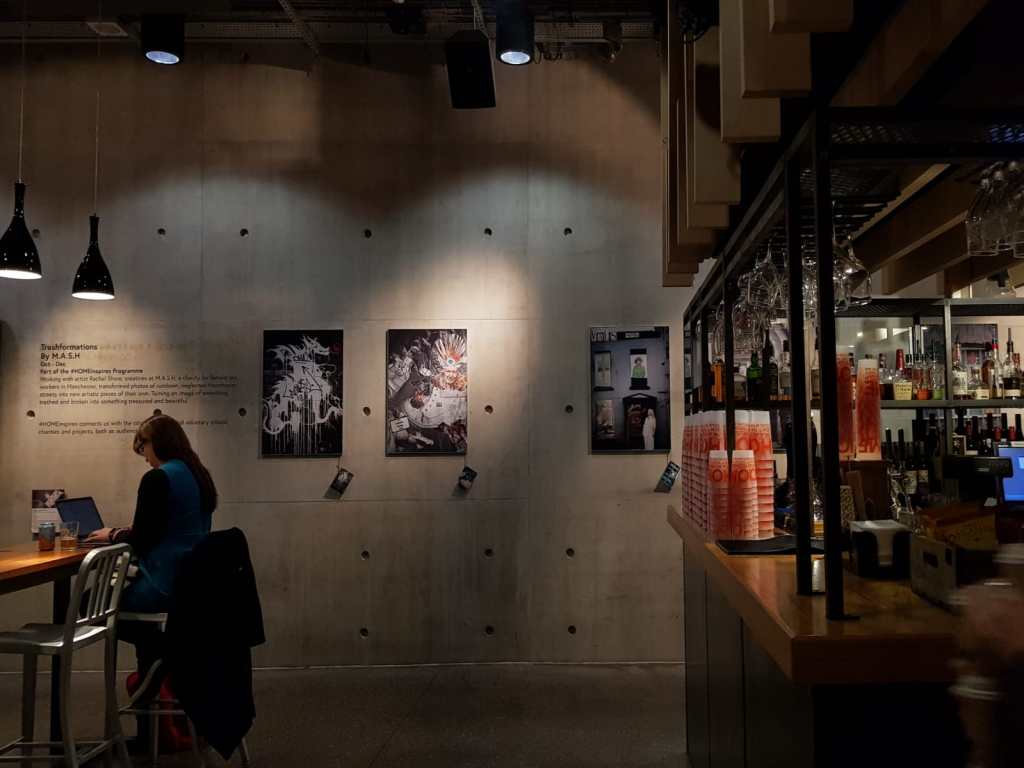
Through the exhibition “Trashformations”, Rachel Shore brings female sex workers out of the shadow by displaying their artworks at the Manchester’s HOME Inspire Gallery from October to December. The project tackles stigmas around sex work through a series of ten photographs transformed by marginalised women in charity centres of Manchester.
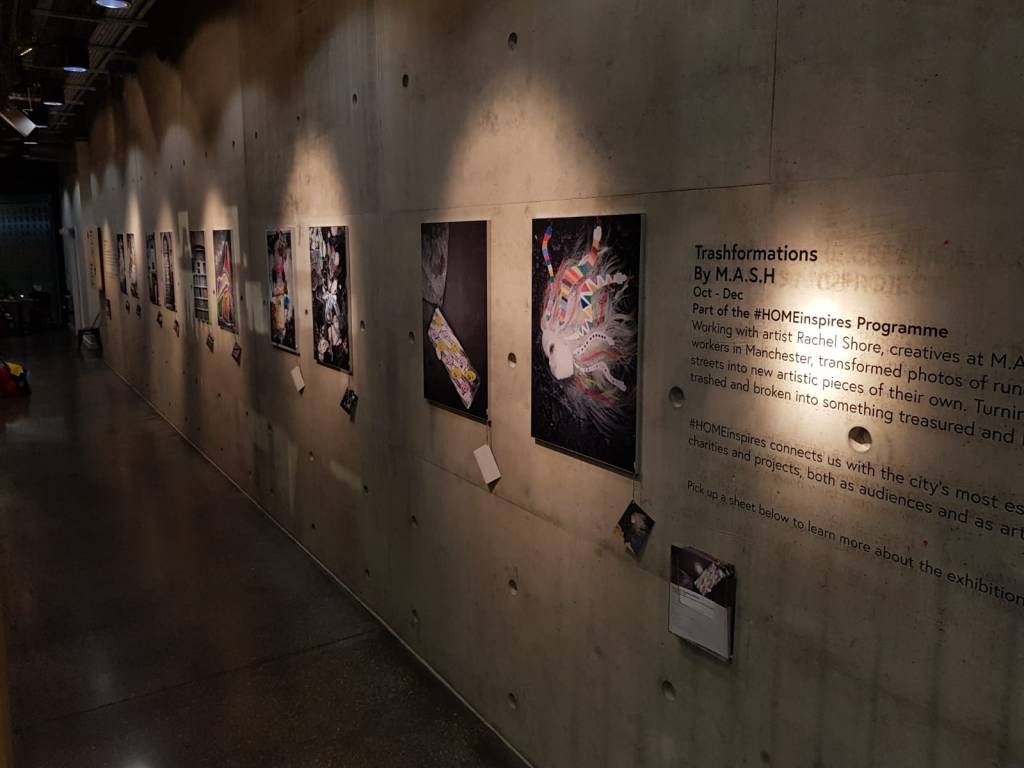
‘Trashformations’ is part of the #HOME Inspire Program that “showcases artists’ work with local charities to aware and engage people about current issues around the city” explains Anne Louise Kershaw, the curator and initiator of the programme at the cultural centre HOME Manchester. Funded by the Arts England Council, the project has been facilitated by the charity M.A.S.H. (Manchester Action for Street Health), and the collaboration of the artist and leader project, Rachel Shore, and the photographer, Shari Denson. Throughout the realisation of the project, they also ran few workshops at Women MATTA and Women’s Direct Access, two women centres respectively for those affected by the criminal justice system and homelessness.
The 10-pieces exhibition is a hymn to woman and play with layers all along the process. Rachel Shore, who came up with the analogy of turning trash into blooming illustrations, worked along with the photographer Shari Denson who went on the ground taking photographs of rubbishes. Back in the workshop studio, the women chose the photograph they wanted to light up with brushes, paints, glitters, and other artifices, by letting their own imagination going free on the picture. “The things that have been done to transform those images really come from deep within”, says Shari. Each piece is more than a colourful and creative “trashformation”, it carries the ideas, lifetime, and experiences of those women, thus creating a striking, blooming series. Finally, once hanged in the gallery, the “trashformations” challenge people’s mind over the issue of sex work.
“The things that have been done to transform those images really come from deep within”
– Shari Denson
More than the strenght and fragility emanating from those portraits, the exhibited artworks were selected according tothe strong dedication of the women in the making process. “I have selected those specific images because they have the most energy put into them”, says the project leader Rachel Shore. “There are so much talents that go behind the scene, the project was a little window to that really.”
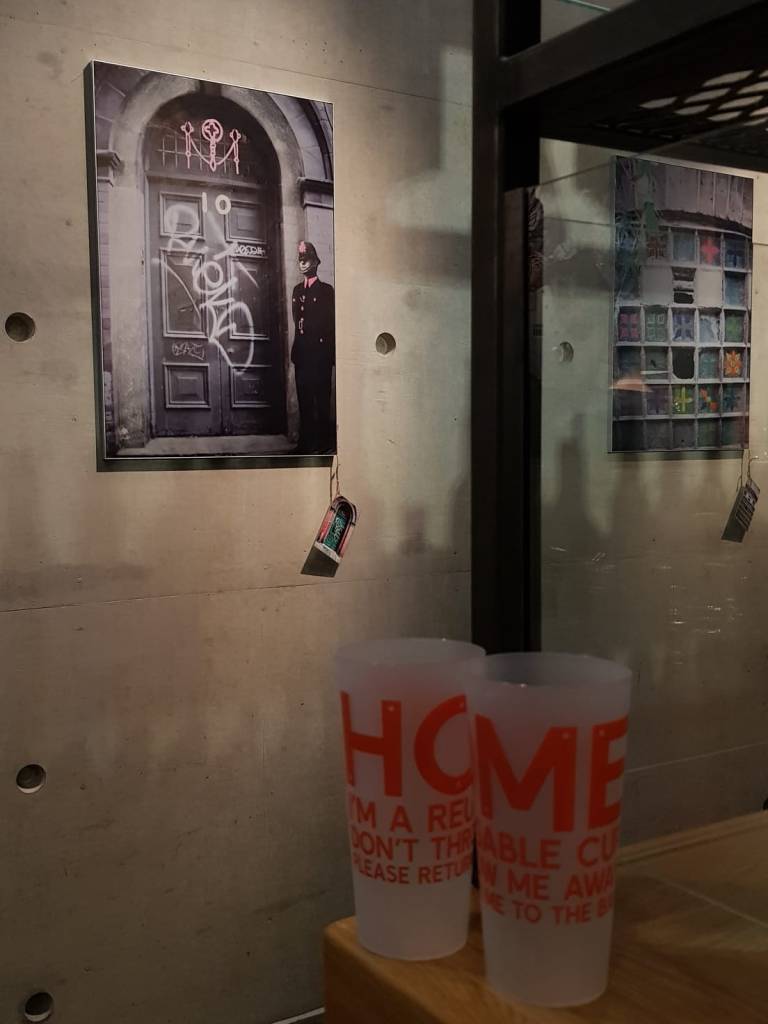
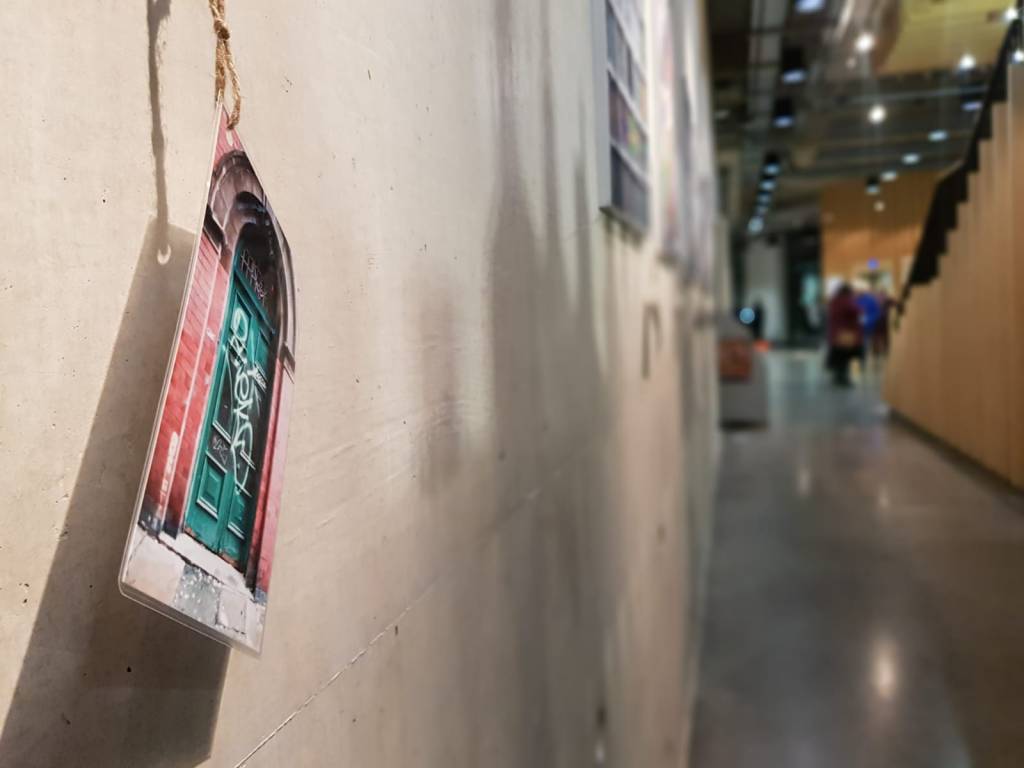
Rachel was running the workshop once a week, but regular attendance was the biggest challenge she had to face as a project leader. Collage and editing appeared to be the most achievable work in terms of time and accessibility. She remembers the passion and commitment of the woman who turned the photograph of a simple tagged-door into 10 Downing Street: “the passion that she had for that picture, even though she didn’t have much commitment in terms of time, I really wanted her piece to be part of the exhibition because she was so passionate and enthusiastic about the idea.”
The uncertainty of those women’s lifestyle always catches them up. Only three out of the ten women whose artwork is hanged up in #HOME know their piece is part for the exhibition. Unfortunately, Rachel never had the chance to see the seven others again.
Every woman who walks in the drop-in centre is looking for support to face issues she is or has been facing in her life, such as addiction, rough sleeping, or familial problems. As if their lives were not complicated enough, those women are suffering every day from strong stigmas within the society about the way they decided to earn their lives. The aim of “Trashformations” is to show to people that “the women at M.A.S.H. are so much more than what they do for money”, says the photographer Shari. “This kind of idea that someone is disadvantage if they do sex work for example, that they must be devoid of culture, artistic or academic skills, it’s complete bollocks! It’s rubbish, because we are all women, we are all people!”
Shari has a particular relationship with the women of M.A.S.H. as she had been using women services in the past. The fate of those women “is a subject very closed to [her] heart”. She used to run photography workshops at the M.A.S.H. centre two years ago. “I have a deep understanding of some of the issues those women are going through, so I feel very comfortable working with them, […] I’m a peer more than a member of staff when I’m around.”
A broken soul needs to be fixed from within to empower her to move forward because stigmas orbiting around sex workers are much more engrained in the person herself than other people’s minds. Through those workshops, women rebuild their self-confidence and self-esteem dashed by judgements.“Going somewhere like HOME, seeing their work up on the wall, being viewed maybe by hundreds of people they don’t even know and who looked with interest to the work they’ve created, there is nothing like that, and I know that by experience as well”, says Shari with profound gratitude, “just the sense of pride is everything. And to be able to work with women to facilitate that happening for them, it’s amazing.”
The charity M.A.S.H. has been helping female sex workers for nearly 30 years by providing them access to health, housing, and addiction services. Last year, they helped 763 women across the city of Manchester. Since 2013, they welcome women five afternoons a week to the MASH drop-in centre that is a safe and calm women-only place.
“‘Trashformations’ is one of the ways that we want to reduce stigmas, make understand that the women we worked with are not different, they have talented skills, interests”, says Janelle who is in charge of the charity’s fundraising and marketing strategies. “Hopefully this is an amazing platform to help challenge people’s perceptions. Anyone in Manchester will see it, hopefully will be moved by it, and it will resonate in them in different ways.”
Marginalised people are the first victims of stigmas built on ignorance, mistrust, and prejudice engrained in the society. No matter how much those women had rebuilt their self-esteem and moved on, the onus of sex work will haunt them for the rest of their lives.
Written by Johanna Gayraud
 'Art'-Loud